
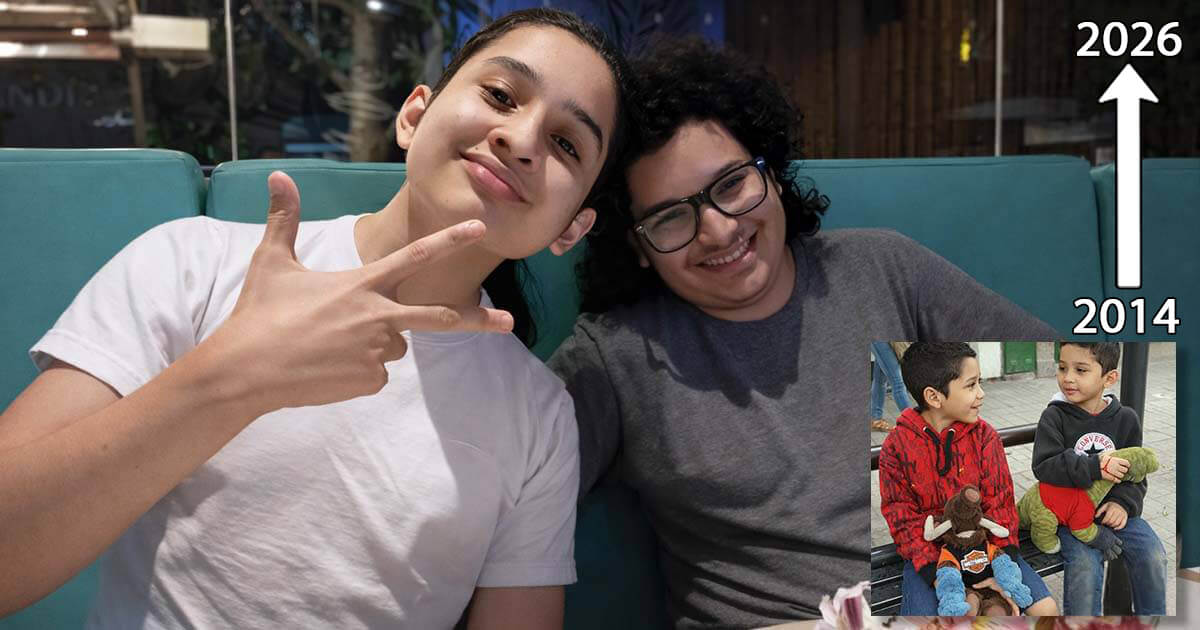
Before talking about methods or educational theories, this is the story of two siblings who graduated from West River Academy after growing up almost entirely outside the traditional school system.
For twelve years, their education followed a deeply self-directed learning path, certified through WRA. Today, both continue their journeys in higher education and long-term artistic and athletic disciplines.
This is not a formula or a promise. It is one real experience shaped over time, through conscious decisions, uncertainty, growth, and trust.
Why families are increasingly exploring unschooling
Families who begin researching alternative education often arrive with the same questions:
How do children learn without school?
What happens with socialization?
Can unschooled students attend college?
Unschooling is a form of education rooted in self-directed learning. Rather than recreating school at home, learning emerges through real interests, life experiences, and meaningful engagement with the world.
En West River Academy, many different educational paths are certified: structured programs, hybrid models, learning communities, and learner-led approaches.
This story represents one of those possible paths, not the only one.
When education becomes a way of life
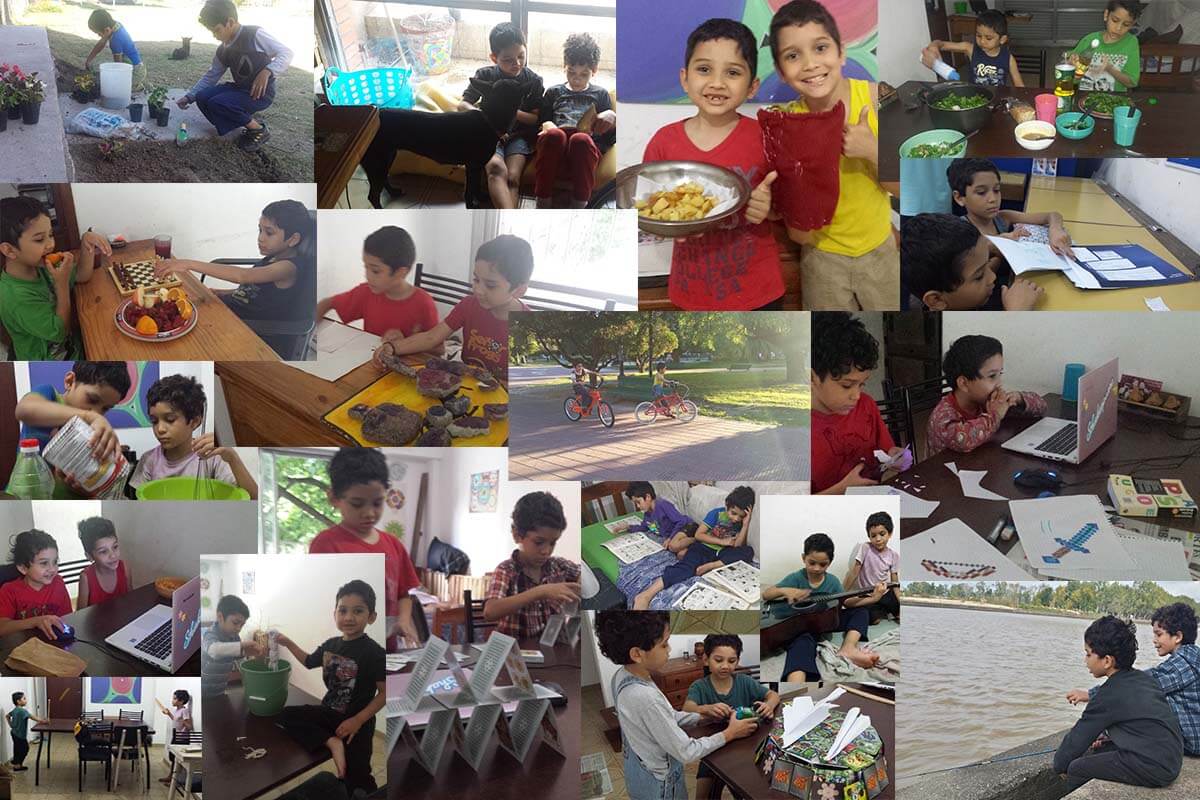
For this family, unschooling was not simply an educational decision. It became a lifestyle.
There were no externally imposed classes or academic schedules. What existed instead was attentive presence, emotional and physical care, and deep observation.
Tutors, instructors, and formal classes did appear over the years but always by the students’ own initiative, never by external requirement.
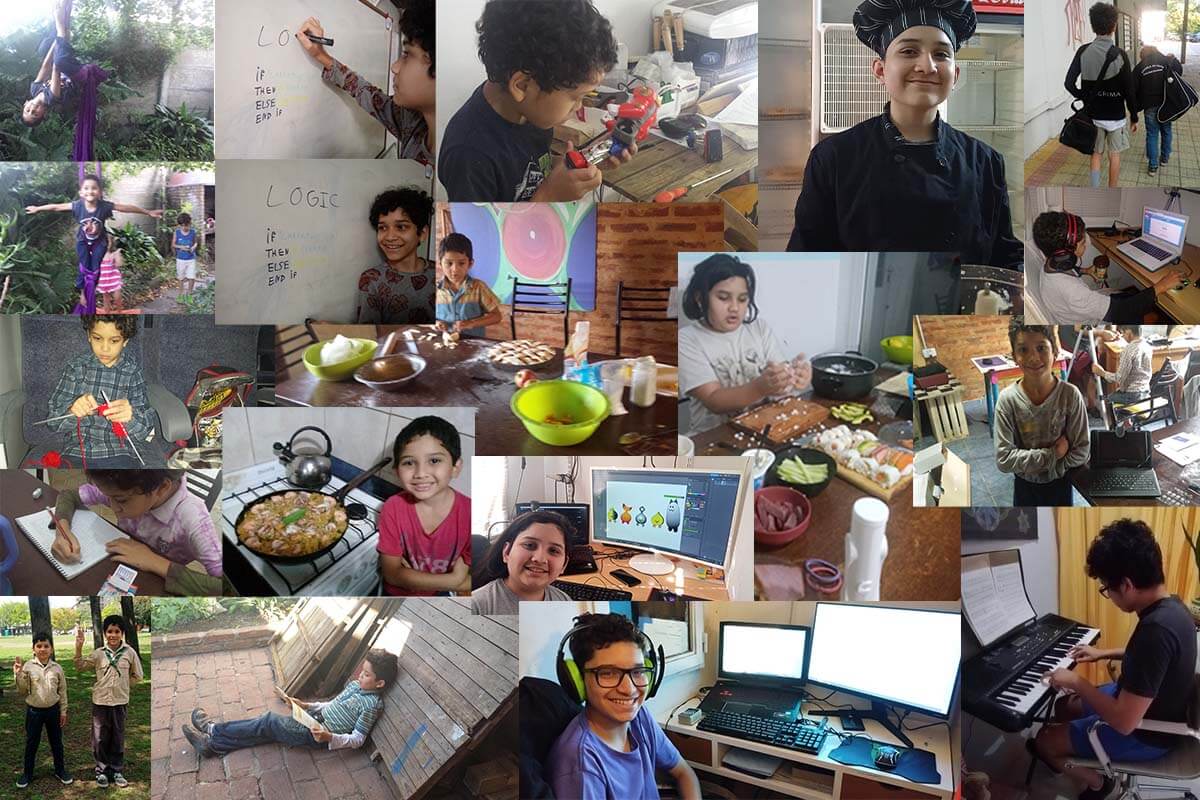
Activities were explored freely: sports, arts, languages, creative projects, and hands-on learning. Some remained, others naturally faded away. Learning followed a rhythm of curiosity, experimentation, choice, and commitment.
At the same time, the parents went through their own process of deschooling as adults, reevaluating beliefs about productivity, success, and learning. Unschooling reshaped the entire household.
Same home, same parents, different paths
Both siblings grew up under the same roof, with the same parents, values, and daily environment.
What differed was not the structure around them, but the freedom they were given to discover who they were, to make mistakes, to explore without labels, and to shape their identities from within.
From that shared foundation, two very different learning paths emerged.
The older sibling: structure, systems, and self-directed learning
From an early age, he was drawn to structure and patterns. Systems, logic, repetition, and form fascinated him.
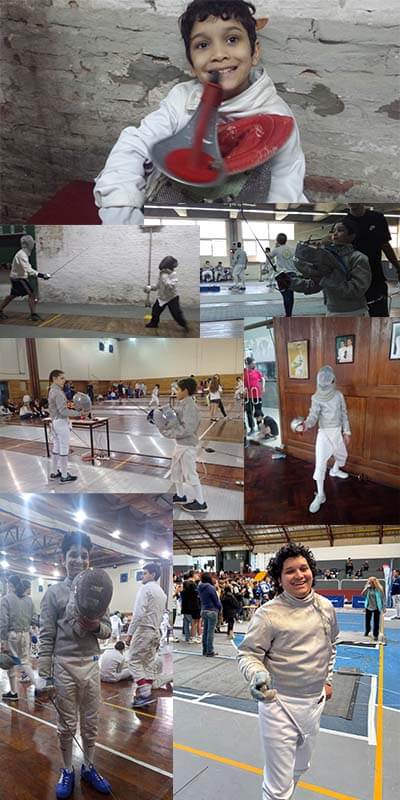
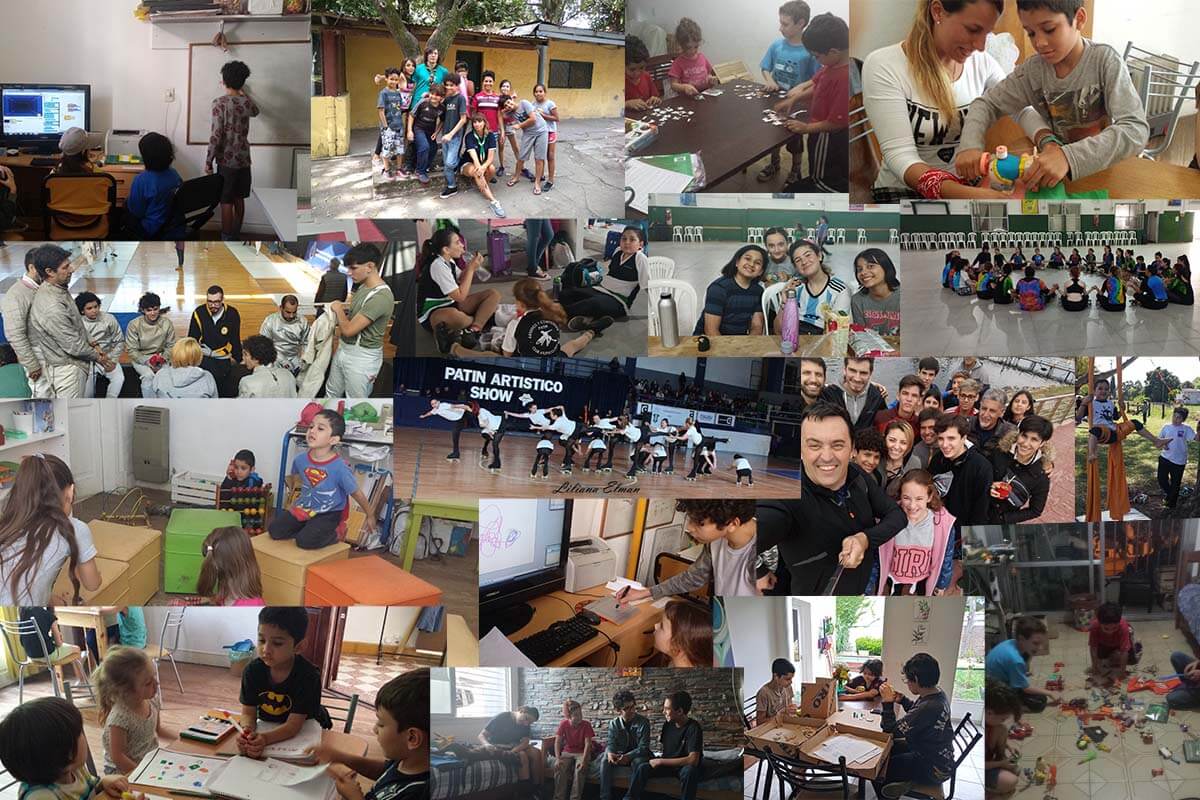
Fencing entered his life by chance at a public exhibition. No adult suggested it. He saw it and immediately recognized something that felt deeply his own.
He has now practiced fencing for ten consecutive years, including periods of pause and return. In 2018, he became national runner-up, and today fencing remains a meaningful part of his life.
His learning style is highly self-directed and theoretical. He became fluent in English without formal classes through daily interaction, immersive content, and real communication needs. Over time, he became fully bilingual in Spanish and English, with more than 80 percent of his learning developed independently.
It is important to note that their native language is Spanish, which meant that learning English was not optional but a necessary part of their educational and social integration. His bilingualism did not emerge from early immersion, but from real-life necessity, interaction, and sustained exposure over time.
He is currently in his second year of a university degree in Robotics and Artificial Intelligence, after graduating from West River Academy.
The younger sibling: movement, expression, and guided learning
The younger sibling has always learned through movement. Jumping, spinning, exploring space with his body came naturally.
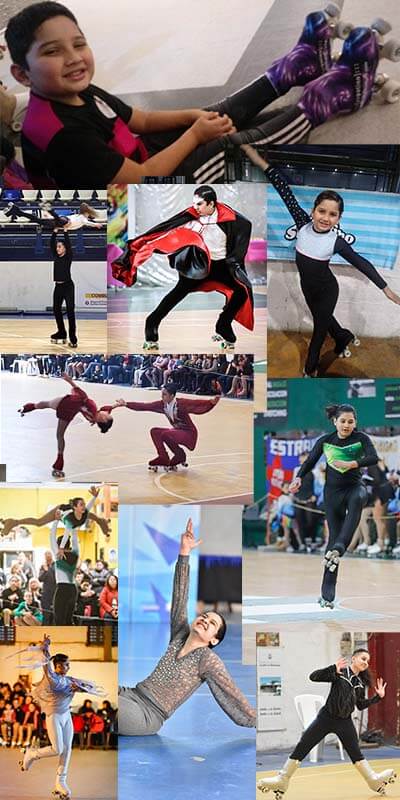
He joined artistic roller skating by accident, believing the word “skating” meant skateboarding. When he arrived at the class, he found himself surrounded by female skaters and was the only boy. Still, the movement felt familiar. It fit.
He has practiced artistic skating for eight years, competing at local, regional, and international levels. Each season, he personally chooses whether and how many categories to compete in, sometimes four, sometimes six, depending on his goals and energy.
Like his brother, he took breaks to explore other interests and later returned with renewed clarity. Today, skating remains central, but not exclusive. He also chose to support others as a teaching assistant, helping in recreational and beginner competitive classes.
Unlike his brother, he thrives in hands-on instruction and guided learning. He studied English and Japanese with native-speaking teachers and values shared learning environments. He is also bilingual in Spanish and English, having reached that outcome through a different path.
He has completed a university-level diploma in International Gastronomy.
Discipline and structure, arriving later
One common assumption about unschooling is the absence of discipline.
In this experience, discipline was not missing. It simply arrived later.
When structure, rules, and social expectations first appeared, they were intense. The early years brought uncertainty, especially during the first four of twelve years of deschooling.
The family anchored themselves in a simple mantra: patience and trust.
Over time, conflicts were resolved consciously rather than through enforcement. Lessons were integrated quickly because they were lived, not imposed.
Choice does not eliminate effort
Freedom does not remove challenge.
Within chosen paths, there were moments of frustration, repetition, failure, and perseverance.
Both siblings dedicate between 6 and 18 hours per week to their disciplines, depending on training cycles and competition seasons. Effort remains present. What changes is its origin.
When learning is self-chosen, discipline grows from meaning rather than obligation.
Identity before belonging
Social development followed a different rhythm.
First came self-knowledge. Group belonging followed later. Social pressure carried less weight, but integration took more time.
It was neither better nor worse than traditional schooling. It was simply different and intentional.
From unschooling to higher education
A common concern among families exploring unschooling is what comes next.
In this case, both siblings graduated through West River Academy and transitioned into formal higher education pathways.
Unschooling does not guarantee outcomes, nor does it block opportunities. When supported with coherence and accredited documentation, it allows students to move forward with confidence.
One possible path among many
This story does not aim to persuade. It simply shows one possible journey within the wide range of educational paths certified by West River Academy.
Education without school is not instant, effortless, or predictable. It unfolds slowly, shaped by trust, consistency, and time. When sustained with intention, it can open doors as real as any traditional route.
Interested in learning more?
If this approach resonates with your family, you can explore how enrollment works at West River Academy and how we certify personalized educational journeys across a wide range of learning models.
